
Acut flower garden does not have to begin with a field. It can begin with one bed. A single 4 x 20-foot bed is enough space to grow a surprising amount of beauty when every plant has a job. Not buckets for weddings. Not rows for market. Not a flower farm compressed into a backyard. Just enough flowers, foliage, texture, and seasonal interest to cut one or two good bouquets most weekends during the growing season. That is the scale. Modest, but useful.
The goal is not maximum production. The goal is a bed that fits ordinary life: after work, on weekends, between responsibilities, in the real rhythm of a home garden. A small cutting bed should not make you feel like you have accidentally started a farm. It should give you flowers you actually use. The Standard: A Weekend Bouquet Before choosing plants, decide what the bed is supposed to give. For this system, the standard is simple: A useful home bouquet most weekends during the cutting season. That one sentence shapes the whole plan.
The bed does not need every beautiful flower. It does not need to grow every variety you admire online. It does not need to imitate a flower farm, a florist studio, or a catalog trial field. It needs enough useful stems to make a vase for the kitchen, a jar for the table, flowers for a friend, or a small arrangement that makes the house feel alive. That standard is practical. It also keeps the garden honest.
A plant earns space because it contributes to the bouquet, not because it looked good in a seed catalog. Why 4 x 20 Feet Works A 4 x 20-foot bed gives you eighty square feet. That is not enormous, but it is enough to create a real cutting garden. The width matters. A four-foot bed can usually be reached from both sides, which makes planting, weeding, cutting, staking, deadheading, and observing easier. If a bed is too wide, the middle becomes neglected. Flowers get missed. Weeds hide. Stems are cut awkwardly or not at all. Reachability is not a small detail.
A cutting garden has to be handled constantly. You are not only looking at it. You are cutting from it, checking it, tying plants, removing finished stems, replacing crops, and watching what is ready. The length matters too. Twenty feet gives the bed room to have rhythm. One section can carry spring crops. Another can shift into summer flowers. A back edge can support taller stems or shrubs. A corner can hold a plant that needs a little more room. The size is large enough to hold a season. Small enough to manage well.
Much of the best cut flower advice comes from flower farmers. That makes sense. Flower farmers have tested varieties, spacing, harvest timing, postharvest handling, and succession planting for years. Their knowledge is valuable. But a home gardener is not trying to fill a wholesale order.
A flower farmer may plant a whole row of one crop. A home gardener may need only four plants of one flower and one shrub for foliage. A flower farmer may harvest into many crop-specific buckets. A home gardener may be carrying one or two pails. A flower farmer may choose a plant because it sells. A backyard gardener should choose a plant because it earns its place in the vase. The question for a small cutting bed is not: How do I grow the maximum number of stems? The better question is: Which plants give me the most useful bouquets from the least complicated space?
That is the difference between copying flower-farm advice and adapting it to real backyard scale.
In eighty square feet, a plant cannot simply be pretty. It needs a job. A good backyard bouquet usually needs several roles: Focal flowers. Supporting flowers. Line flowers. Fillers. Texture. Foliage. Air. Seasonal surprise. If a bed grows only focal flowers, the vase may look heavy. If it grows only fillers, the bouquet may feel weak. If it has flowers but no foliage, everything looks unfinished. If it has no line or movement, the arrangement may become a mound.
The strongest small cutting garden is not the one with the longest plant list. It is the one where the plants work together.
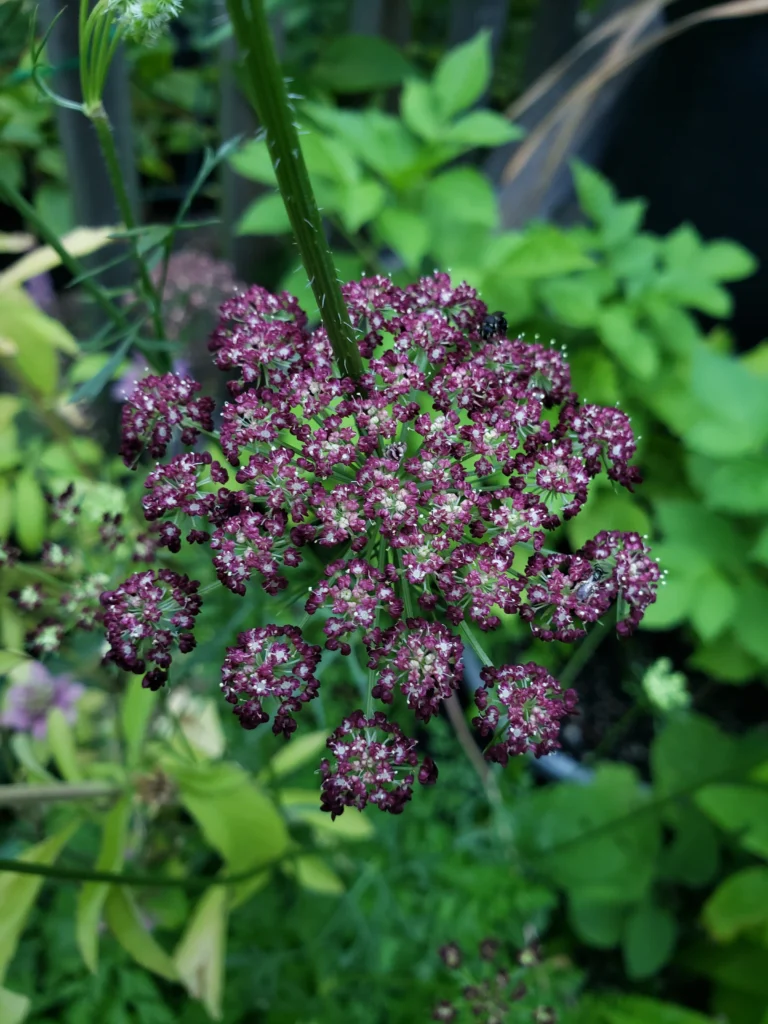
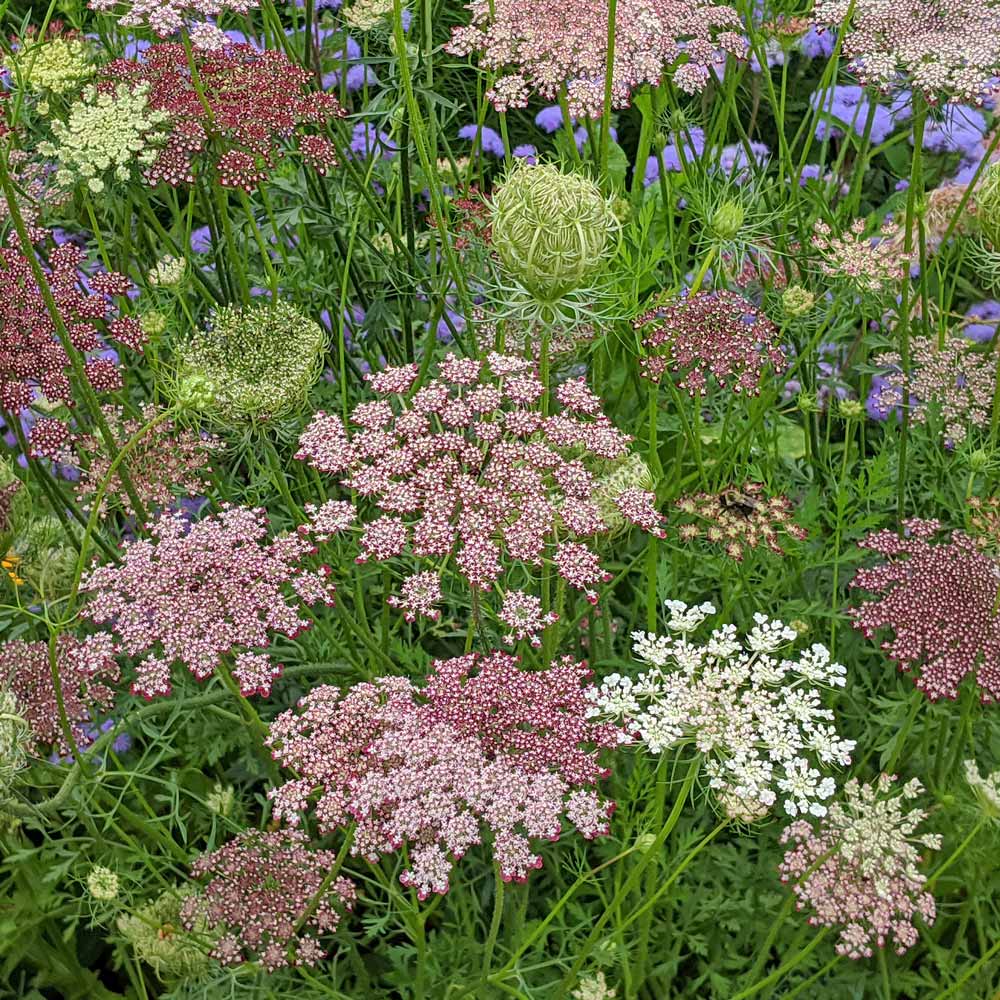
That is why the 15-plant system is built around roles, not random favorites. Zinnias carry summer. Dahlias add high-value focal blooms. Snapdragons give spring line. Dara adds air. Gomphrena gives small round detail. Ageratum brings blue filler. Eucalyptus and ninebark provide foliage and structure. Mums extend the season. Each plant contributes something different.
A new cut flower gardener can easily collect too many plants. That usually begins with enthusiasm. One packet becomes ten. A few tubers become a box. A small plan becomes trays everywhere. Suddenly, the garden has too many timing windows, too many seedlings, too many varieties, and not enough space to understand what each plant is doing. More flowers do not always mean better bouquets. Sometimes more flowers only mean more confusion.
The 4 x 20-foot bed works best when it is treated as a system. The plant list should be short enough that you can learn what each crop contributes. Which flowers do you cut every week? Which ones look beautiful outside but never make it into the vase? Which ones need more space? Which ones can be reduced next year? The first year is not only about abundance. It is about learning what the bed gives easily.
Most cut flowers need strong sun.
Choose the sunniest practical area you can reach easily. A hidden bed at the far back of the yard may sound romantic, but if you do not walk past it, water it, cut from it, or notice problems early, it may not serve you well. The best location is not only sunny. It is usable. Ask: Can I reach both sides of the bed? Is there a water source nearby? Can I carry a pail of flowers from the bed to the house? Will I see the bed often enough to cut at the right time? Will tall plants shade smaller plants? Is the area protected enough from wind? Does the soil drain? Will the bed become annoying to maintain? A cutting garden should invite use. If the bed is awkward, you will cut from it less often.
A 4 x 20-foot bed can be divided into five connected 4 x 4-foot zones. This is more useful than thinking only in long rows. One zone can serve as the anchor area. The other four can function as relay zones. This matters because a cutting garden is not static. Spring crops finish. Summer crops take over.
Some plants remain in place for months. Others are planted, harvested, removed, and replaced. The bed has to make room for turnover. The anchor zone holds longer-term structure, such as salvia, ninebark, eucalyptus, or hellebore where conditions make sense. The relay zones carry crops that change through the season: ranunculus, snapdragons, bells of Ireland, zinnias, celosia, gomphrena, ageratum, Dara, sunflowers, mums, and dahlias depending on the timing and climate. The zones are management areas. Not rigid boxes.
This is important. A zone does not have to be assigned to one plant forever. It can carry one crop in spring and another in summer. The system gives structure without making the bed stiff.
A small cutting garden becomes productive when the space is reused. Cool-season flowers do not need permanent real estate just because they bloom first. Once they finish, the space can shift to warm-season flowers. Warm-season seedlings can be started in trays while spring crops are still blooming, so the bed does not sit empty for long. This is the relay idea. A space that held snapdragons may later hold zinnias. A space that held ranunculus may later hold mums. A space that held bells of Ireland may later carry celosia, Dara, or gomphrena. A sunflower patch may be replanted in small batches.
The exact relay depends on your climate, schedule, and plants. But the principle is the same: The bed changes hands as the season changes. That is how eighty square feet becomes more useful.
Height matters, but it should be used carefully. Tall plants can block access, cast shade, lean into neighboring crops, and make the bed harder to cut. Dahlias, sunflowers, salvia, eucalyptus, and other taller plants are useful, but they should not become one continuous wall that makes the rest of the bed unreachable. In a cutting bed, access is part of the design.
The plants you cut most often should be easy to reach. Zinnias, celosia, gomphrena, ageratum, Dara, salvia, and dahlias are less useful if they disappear behind larger plants. A flower that is awkward to reach gets cut less often. And a cutting garden that does not get cut stops functioning as a cutting garden.
Buy Some Plants Instead of Starting Everything From Seed. A practical backyard cutting bed does not have to prove that everything can be grown from seed. Some plants are better purchased. Ranunculus begins from corms. Dahlias are usually best started from tubers or purchased plants. Salvia Black and Blue is best purchased as a plant. Ninebark is a shrub. Hellebores are perennials. Eucalyptus may be started from seed by some gardeners, but a purchased plant can reduce uncertainty. Buying the right starting material is not cheating. It is good garden design.
A small bed has limited space and limited patience. If buying one strong plant makes the bed more useful, buy the plant. The goal is not to perform seed-starting purity. The goal is better bouquets. Start With the First Year as a Trial. No written plan can predict exactly how your garden will behave. The first year should be treated as a practical trial. Ask: Which flowers were cut every week? Which plants looked good but did not enter the vase? Which stems lasted well? Which crops were too much work? Which plants needed more room? Which plants were surprisingly useful? Which ones failed in your climate? Which ones deserve another season? This is where the garden becomes yours.
The 4 x 20-foot plan is a starting structure, not a permanent command. Your climate, soil, schedule, taste, and harvest habits will shape the final version. The strongest garden is not the one that copies someone else perfectly. It is the one that becomes more useful each season. What a 4 x 20-Foot Bed Can Give A 4 x 20-foot bed will not give every flower for every occasion.
It will not replace a florist. It will not bloom perfectly every week of the year. It will not remove all garden disappointment. Some seeds will fail. Some plants will be eaten. Some flowers will bloom when you are too busy to cut them. Some stems will be too short, too late, or too tired. But it can give something personal. The first hellebore of spring. A ranunculus that feels too beautiful to cut, then gets cut anyway. A snapdragon stem that makes the bouquet taller. A zinnia that opens exactly when the kitchen needs color. A dahlia that changes the whole vase. A sunflower for a friend. A handful of gomphrena that dries instead of fading.
A salvia stem visited by hummingbirds before it comes inside. A mum that keeps the season going when summer is nearly done. The value of a backyard cutting bed is not abundance for its own sake. It is usable beauty grown close to home.
A Simple Starting Plan. To begin, keep the first version manageable. Choose a sunny 4 x 20-foot area. Make sure it is reachable from both sides. Improve the soil before planting. Think in five 4 x 4-foot zones. Choose plants by bouquet role. Include spring, summer, and fall interest.
Buy plants, corms, tubers, or shrubs where that makes more sense than seed. Start warm-season seedlings before spring crops are completely finished. Keep tall plants from blocking access. Cut regularly. Take notes. Edit in year two. That is enough. You do not need to build the perfect cutting garden in one season. You need a bed that teaches you what you actually use.
The 4 x 20-foot backyard cut flower bed is the foundation of The 15-Plant Backyard Cut Flower Garden. It is designed for hobby gardeners who want flowers for ordinary life: a weekend bouquet, a jar by the sink, a few stems for a friend, and a garden that remains small enough to manage. Start with one bed. Give every plant a job. Let the garden become more useful each season.