The harvest is the moment when the cutting garden becomes useful. A bed can be planted well and still disappoint if stems are cut too late, cut too early, left dry in the sun, crowded into one container, or placed into dirty water. Vase life begins before the flowers reach the house. It begins in the garden, at the moment the stem is chosen A backyard gardener does not need a commercial postharvest setup. For a weekend bouquet garden, a simple system is enough: one clean pail, one dirty pail, one protective jar, clean snips, fresh water, and a shaded place to condition the flowers.
Harvest stage comes first. Zinnias should be cut when the stem is firm enough to pass the wiggle test. Dahlias are usually harvested nearly fully open or fully open but still fresh. Sunflowers are often cut as petals begin to lift. Snapdragons are useful when lower florets are open and the upper stem is still budded. Each crop has its own best stage, and no bucket system can compensate for stems harvested at the wrong time.
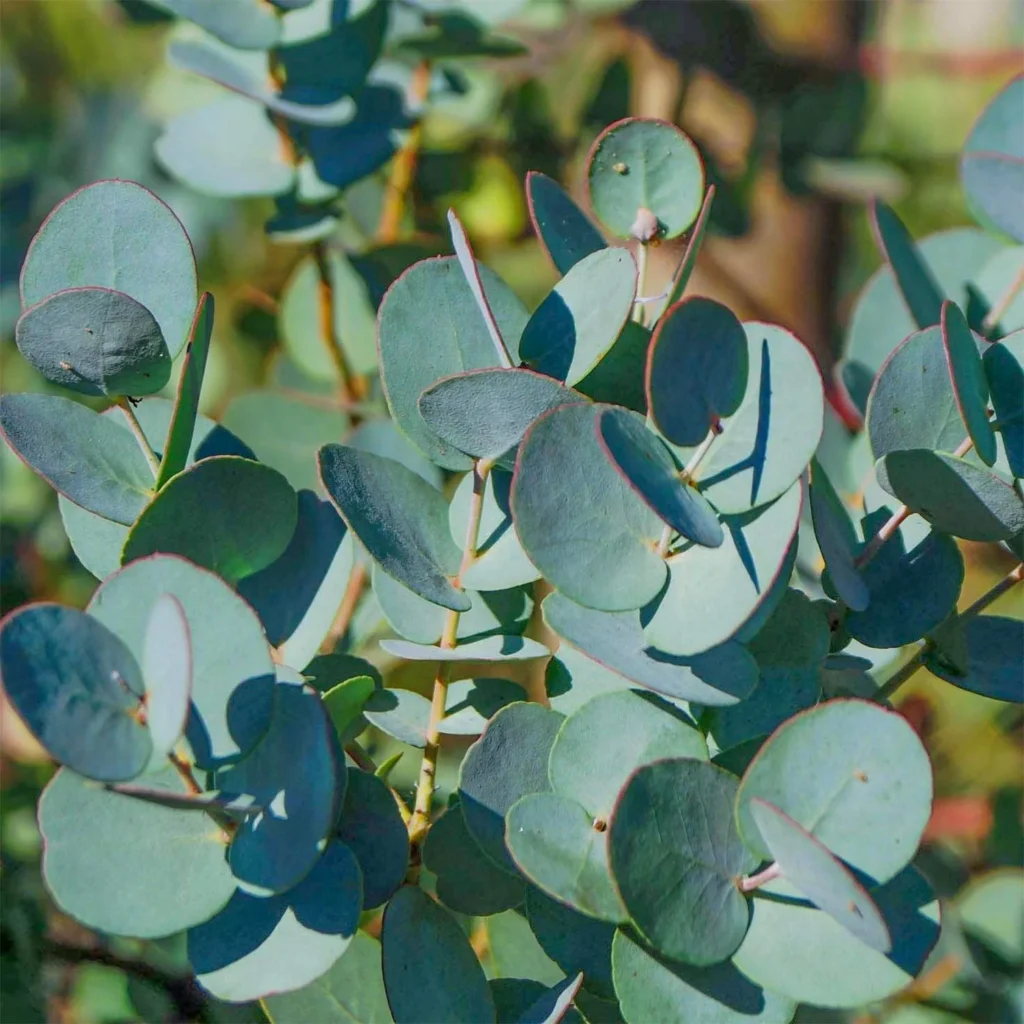
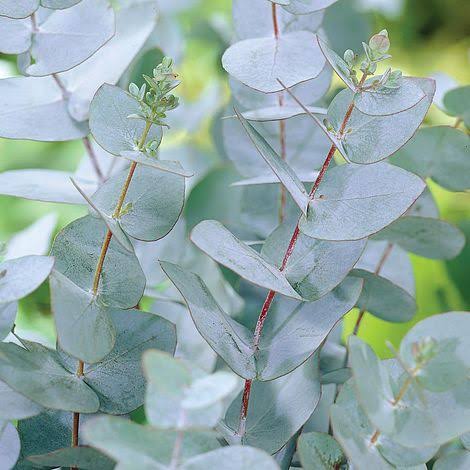
The clean pail is for stems that are less likely to foul the water quickly during a short backyard harvest. This may include gomphrena, ageratum, salvia, eucalyptus, ninebark, clean foliage, and well-stripped mums. The dirty pail is for flowers that tend to shed more field debris, cloud the water faster, or need more stripping before arranging, including zinnias, sunflowers, dahlias, celosia, and some snapdragons. “Dirty” does not mean bad; it simply means these stems should not shorten the life of everything else in the harvest pail.
The protective jar is for fragile or heavy heads. Large dahlias, special sunflowers, or any bloom you do not want crushed can travel in a small jar rather than being buried in a crowded pail. This small step can save the best flower of the morning. Once the harvest comes inside, strip leaves below the water line, recut stems, and let the flowers rest in clean water in a shaded, cool place when possible. The harvest pail is not the final vase. It is the first step in handling living material well.
The simple rule is to separate clean stems, dirty stems, and fragile heads. That one habit can make a backyard bouquet last better without turning the harvest into a commercial operation.
Use the weekend harvest system when cutting one or two home bouquets. Two pails and one protective jar are enough to keep the process practical and repeatable.