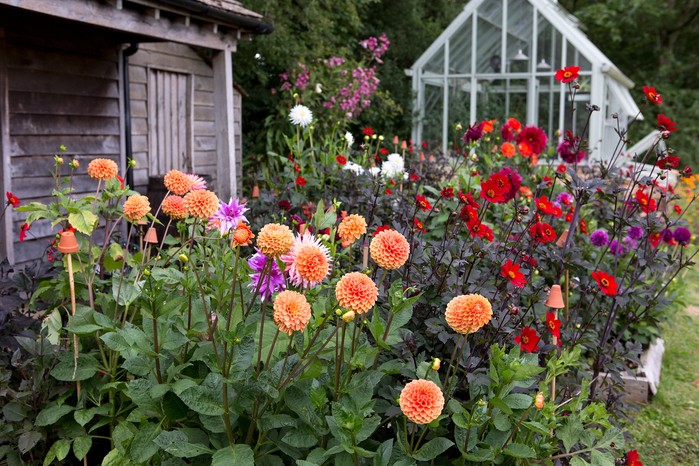
The garden gives the morning a reason to begin outdoors. Most gardeners do not step outside because they are trying to follow a carefully designed health protocol. They go outside because the seedlings need water, the containers may be dry, a flower might have opened, or the day will become too hot if they wait. That is part of gardening’s strength. The behavior has an immediate reason.
Instead of telling yourself, “I should get morning light,” the garden says, “The basil is thirsty.” Instead of trying to create another wellness routine, you walk outside because something living needs attention. The light, movement, and attention happen inside the ordinary act of caring for the garden.
It is tempting to talk about sunlight as if it is one simple thing. It is not. Visible light reaching the eyes helps the body receive information about day and night. Ultraviolet radiation reaching the skin is involved in vitamin D production, but it also carries skin-damage risks. These pathways should not be confused.
For a garden well-being routine, the most practical idea is this:
Morning gardening gives many people a natural reason to enter the daytime light environment near the beginning of the day.
That does not make it a precise medical treatment. It does not mean every person needs the same amount of outdoor light. Season, latitude, clouds, timing, sleep schedule, eye health, medications, and individual sensitivity all change how light is experienced. But the habit is still useful.
A person who would otherwise move from bed to phone to car to office may instead begin the day by stepping into real morning light, noticing temperature, checking soil, and moving through the yard. That small shift can change the feeling of the morning.
Modern life often blurs the difference between day and night. Many people spend the day indoors under relatively dim light, then spend the evening under lamps, screens, and artificial light. The result is a world where daytime may be less bright than it used to be and evening may be brighter than the body expects. The garden can restore some contrast.
The gardener goes outside during the day. She notices the season. Summer mornings arrive early. Autumn light becomes lower. Winter mornings feel thinner and colder. Spring brings light and growth almost together. A garden does not guarantee a healthy body clock. It is not a cure for insomnia, depression, or circadian rhythm disorders.
But it creates repeated opportunities for daytime light exposure, attached to a routine that already has meaning. The book makes this point carefully: a plant needing water provides a concrete reason to open the door.
That is more sustainable than advice floating by itself.
Morning light does not require looking directly at the sun. In fact, looking directly at the sun can damage the eyes and is unnecessary. The relevant experience is being in an illuminated outdoor environment with the eyes open during ordinary activity. You can water a container. Check a tray. Walk around the bed. Cut a few flowers. Pull three weeds. Look at what changed overnight. The point is not to force a dramatic routine.
The point is to let the morning have a physical beginning.
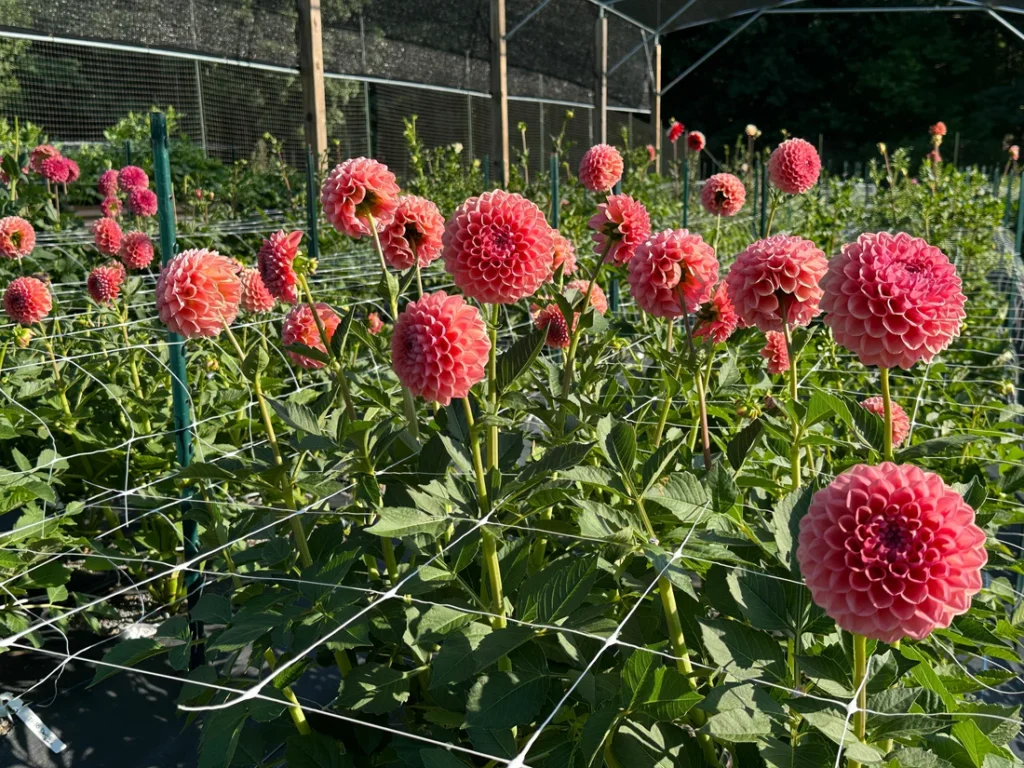
A morning garden check is not usually a workout. That is part of its appeal. You may walk to the hose, bend to touch the soil, reach for a tomato stake, lift a watering can, carry a small harvest pail, pinch a basil tip, or cut one zinnia before the heat rises. These are small movements, but they count as participation. The body is not being asked to perform. It is being asked to respond.
From a physical therapist’s perspective, that matters. Movement that has a purpose is often easier to begin than movement done only because it is prescribed. A gardener is not bending only to bend. She is bending because a seedling needs help. She is not walking only to accumulate steps. She is walking because the garden gives her a reason to look again. The morning garden places movement into ordinary life.
The morning garden routine is not only about the gardener. It often works well for the plants. Morning is usually cooler than afternoon. Plants may be less wilted. Soil moisture is easier to check before heat becomes intense. Flowers can be harvested before the day stresses them. Problems can be noticed before the gardener becomes occupied with work, errands, family, or the rest of life. A morning routine might include: Checking containers for water. Looking over seedlings. Harvesting flowers in the cool part of the day. Noticing pests before they spread. Moving a tray out of harsh sun. Tying one leaning stem. Cutting one bloom before it passes its best stage. These are small tasks, but they build relationship. A garden becomes easier to care for when it is seen often.
The routine should not become another performance goal. This is essential. A morning garden habit should not require an hour, a perfect journal, a step count, a light meter, or a checklist that makes the day feel heavy before it begins. It should be small enough to repeat. Five minutes can count. One watering can can count. One walk around the bed can count. One pot near the door can count.
The book’s larger principle applies here: the point is not to garden harder. The point is to build a garden your body and your life can return to. If a morning routine becomes too large, it stops helping. It becomes another obligation. The goal is not to optimize the morning. The goal is to begin it with contact.

Here is a practical version: Step outside before opening your phone, if possible. Notice the light and temperature. Check one container, tray, or bed. Water only what needs water. Look for one change. Do one small task. Stop before the garden becomes the whole morning. That is enough.
The task might be watering a pot of basil, checking a seed tray, cutting three zinnias, removing one dead leaf, or tying one leaning stem. The routine should leave you more connected, not more behind. The Garden Gives the Morning a Question. A good morning routine does not need to be complicated.
It only needs to give the day a question that is smaller than the rest of life. Did the seedling emerge? Did the bud open? Is the soil dry? Did the cutting root? Is the zinnia ready to cut? Did the dahlia survive the storm? These questions are ordinary, but they are grounding. They bring attention into the present environment. The day may still contain work, stress, uncertainty, pain, responsibilities, grief, or fatigue. The garden does not erase those things.
But it can give the morning one living thing to notice before everything else rushes in. Morning Gardening Is Not Light Therapy. This distinction matters. Bright-light therapy is a structured clinical intervention. It uses specific devices, timing, distance, and duration. It may be relevant for some people with seasonal depression or circadian rhythm issues, but it should be discussed with a qualified healthcare professional when used for clinical purposes. Morning gardening is different.
It is not a substitute for medical care, mental-health care, sleep evaluation, light therapy, medication, counseling, or professional treatment when those are needed. The book is careful about this distinction: gardening may provide a recurring reason to enter daylight, move, observe seasonal change, and participate in something meaningful, but those experiences should not be presented as equivalent to psychiatric treatment. That honesty makes the recommendation stronger. The garden does not have to be a treatment to be worthwhile. It can be a habit. A meaningful habit can still matter.
Protect Your Skin. Morning gardening can increase outdoor time, but outdoor time still requires common sense. Sunlight is not only beneficial. Ultraviolet exposure can damage skin. Gardeners may accumulate sun exposure over many small sessions without noticing.
Use shade, hats, protective clothing, timing, and sunscreen as appropriate for your skin, health history, medications, and local conditions. Do not use gardening as an excuse to pursue unprotected sun exposure. The goal is not maximum sun. The goal is a sustainable relationship with daylight, movement, and the garden.
Adapt the Routine to the Person. Not every person should follow the same morning garden routine. A shift worker may need different light timing. A person with migraines, eye disease, photosensitivity, medication-related sun sensitivity, severe fatigue, heat intolerance, balance problems, or mobility limitations may need adaptations. Someone with depression, insomnia, or circadian rhythm disorder may need professional guidance. A garden routine should fit the person. It should not become a rule that ignores the body.
That may mean gardening from a chair, placing one pot near the door, using a lightweight watering can, working in shade, asking someone else to move heavy containers, or making the routine an observation ritual rather than a labor session.
The best routine is the one the gardener can safely return to.
Morning in a One-Pot Garden. A morning garden routine does not require a backyard. One pot can create the habit.
A basil plant by the door can ask to be watered. A pot of zinnias can show new buds. A small herb container can offer scent. A tray of seedlings can make progress visible. A single flowering plant can give the morning a reason to pause. The garden does not have to be impressive. It has to be close enough to become part of life. This is why container gardens matter. They bring the routine within reach. They reduce the distance between intention and action. They make the first step easier.
Sometimes the smallest garden is the one most likely to be used. A Morning Routine for Cut Flowers. For cut flower gardeners, morning has another advantage. Many flowers hold better when harvested during the cool part of the day. Stems are often more hydrated, and heat stress has not yet built up. A morning harvest can be as simple as cutting one zinnia that passes the wiggle test, one stem of salvia, a few pieces of foliage, or a small jar of flowers for the kitchen. You do not need to make a full bouquet every morning. Sometimes one flower is enough.
The flower becomes evidence that you went outside, noticed, cut, and brought the garden back in. The Simple Rule. The morning garden routine is not about perfection. It is about repetition. Step outside. Notice the day. Move a little. Care for one living thing. Stop before the garden becomes too much. Do it again tomorrow if life allows.
That is the kind of routine that can survive ordinary life.
The Day Begins Differently. A garden gives the morning a different beginning. Not only a clock. Not only an alarm. Not only a phone. A real day, with light, air, soil, leaves, water, and something that changed while you were sleeping. That does not cure life. It does not fix everything. It does not replace care when care is needed. But it can help a person begin the day in relationship with something living. And that is not a small thing.
Fiora Lab’s morning garden philosophy is simple: make the garden easy enough to return to. One pot near the door, one small bed, one watering can, one tray of seedlings, or one flower ready to cut can give the day a more grounded beginning. The goal is not to garden harder. The goal is to create a morning routine your body and your life can actually repeat.