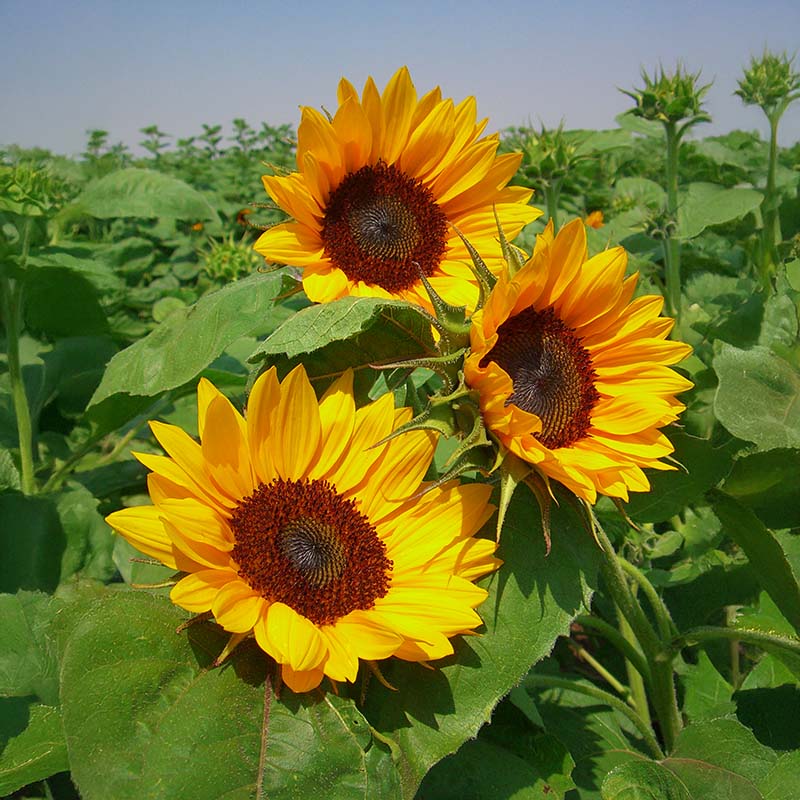
The garden does not cure life.
It does not erase grief. It does not reverse every diagnosis. It does not remove pain, stress, financial pressure, family conflict, loneliness, uncertainty, or the conditions that make daily life difficult. It does not replace medical care. It does not replace mental-health care. It does not replace medication, physical therapy, counseling, housing, rest, safety, food, money, friendship, or dependable human support. That needs to be said clearly.
Gardening can support a person, but it should not be presented as a simple solution to complex suffering. A person who is struggling does not need one more thing that can become evidence of failure. A grieving person does not need to be told that flowers should provide closure. A person with chronic pain does not need to hear that more time outside should make the pain disappear. A person with depression does not need another task disguised as a cure. The garden is not a cure. But that does not make it unimportant.
Many valuable things do not cure the conditions they help us live with. A handrail does not cure weakness, but it may make the stairs usable. A meal does not resolve grief, but it nourishes someone who is struggling to care for themselves. A chair in the shade does not cure fatigue, but it may make the garden accessible for a few more minutes. Physical therapy may not erase every symptom, but it can improve movement, confidence, endurance, participation, and function. A garden may work in a similar way.
It may not fix the larger difficulty. But it may improve the quality of a morning. It may give structure to a week. It may place one believable event in the future. It may make the body move gently for a reason. It may give the hands something useful to do. Support matters. Even when it does not cure.
Difficult seasons can make time feel shapeless. The same worries repeat. The same symptoms return. The same responsibilities wait. The same room, the same chair, the same phone, the same thoughts. A garden can interrupt that sameness. Not dramatically. Quietly. A seed tray needs checking. A pot needs water. A bud has changed overnight. A flower is ready to cut. A plant that looked weak last week has put out new growth. A dried seed head is ready to save. These are small events, but they give the day a shape. They create a before and after. They give the gardener a reason to look, decide, respond, and return. The garden does not have to transform the whole life to change the texture of one day. Sometimes that is enough.
Beauty can feel almost embarrassing to defend when life is hard. Flowers do not pay bills. A bouquet does not reverse an MRI. A zinnia does not end grief. A garden path does not remove uncertainty. A pretty container does not make the world fair. But beauty is not shallow. Beauty is one way the world remains available to us. A flower on the table can change the feeling of a room. A pot by the door can make the entrance feel less abandoned. A single bloom can remind the gardener that attention still has somewhere to go. A small garden can make a difficult day contain one thing that is not only difficulty. That does not solve the problem. It also does not mean nothing happened. A vase of flowers is not a cure. It is an offering.
The mind does not become quiet simply because someone says, “Relax.” That is one reason generic advice often fails. A garden gives attention something concrete to hold. Is the soil dry? Did the seed germinate? Is the flower ready to cut? Did the leaves recover after watering? Does this stem need support? Is this plant worth saving seed from?
These questions are smaller than the questions that often trouble us. They do not answer everything. But they are answerable in the moment. A garden can narrow attention without making the world smaller. The mind may not be able to solve the future, but it can notice that one zinnia opened overnight. That can matter.

Hope can become too abstract when life is hard. A garden makes hope physical. Not grand hope. Small hope. The hope that something may emerge. The hope that a bud may open. The hope that a cutting may root. The hope that the plant will still be there tomorrow. The hope that fall-planted bulbs may appear in spring.
The hope that seed saved this year may become flowers next year. These are not cures. They are points of orientation.
A seed tray in winter points toward spring. A spring transplant points toward summer. A summer flower points toward seed. A seed collected in autumn points toward another year. The garden repeatedly demonstrates that the current season is not the only season that exists. Another one is already forming somewhere. The Garden Should Not Become Another Test. This is important.
A garden that supports life should not become another test of whether someone is trying hard enough. If gardening increases pain, exhaustion, guilt, dizziness, unsafe movement, or emotional distress, the garden should be changed, reduced, paused, or supported. That may mean one pot instead of ten. A chair instead of kneeling. A raised bed instead of ground-level planting. A smaller watering can. A friend moving the heavy containers. A container by the door instead of a bed across the yard. A view from the window instead of active gardening that day. A store-bought plant instead of seed starting. Rest instead of pushing through. The goal is sustainable participation. Not endurance at any cost.
The Right Garden May Be Smaller Than You Expected. A helpful garden is not necessarily a large garden. It may be one basil plant by the door. One zinnia in a pot. One chair in the shade. One raised bed. One narrow path. One vase on the table. One seed tray under lights. One mum in fall. One plant that makes the season worth noticing.
The culture around gardening often celebrates abundance: bigger beds, fuller borders, more varieties, more harvests, more flowers. There is nothing wrong with abundance when it fits the person. But a garden that overwhelms the gardener is not the same as a garden that supports the gardener. Sometimes the smaller garden is the more generous one.
A Garden Can Be a Relationship, Not a Performance. Gardening becomes gentler when it stops being a performance. The garden does not need to prove you are productive. It does not need to impress anyone. It does not need to become content. It does not need to match someone else’s yard. It does not need to be finished. A garden can simply be a relationship with a place, a plant, a season, a routine, and a version of yourself that is still willing to notice. Some days, that relationship may involve work. Some days, it may involve sitting. Some days, it may involve cutting flowers. Some days, it may involve deciding not to garden. That still counts. A relationship can pause and continue.
What the Garden Can Offer. The garden cannot cure life. But it can offer sunlight. Movement. A place to direct attention. A living thing to care for. A reason to step outside. A visible task. A small win. A future event. A sensory experience. A flower to bring inside. A reminder that change continues. A way to participate without controlling everything. Those are not small things. They are not everything, either. That distinction is the honest middle.
A Garden for the Day You Actually Have. The most useful garden is not designed for an imaginary life. It is designed for the day you actually have. A day with energy. A day with pain. A day with grief. A day with limited time. A day with a little hope. A day with no hope except the plant still needs water. A day when one pot is enough.
A day when the garden is only something you look at from the window.
The garden should meet the person where she is, not where she thinks she should be. That may be the most physical-therapist part of this whole idea: participation matters, but it has to be matched to the person in front of us.
The garden should fit the body and life that are here now. The Simple Rule. The garden does not cure life. But it can help us meet the day. That is the rule. Not fix the day. Not erase the pain. Not solve the future. Meet the day. Water one pot. Cut one flower. Sit in one chair. Notice one change. Rest before exhaustion.
Let one living thing remind you that the day is still unfolding. Sometimes the garden gives us abundance. Sometimes it gives us a single stem. Sometimes that single stem is enough.
Fiora Lab’s Backyard Garden Series is built around real-life gardening: one pot by the door, a small bed beside a path, a chair in the shade, a few plants that make the season worth noticing. Gardening does not cure life. But it can offer movement, attention, beauty, care, and a reason to return tomorrow. Begin where you are. Let the garden be small enough to stay with you.